

A better way to find your place
Location considerations and musings about the world around us.
12 Articles from the Kaveat team and guest authors12 Articles from the Kaveat team
Currently showing newest articles first.
Property & place7 min read7 min
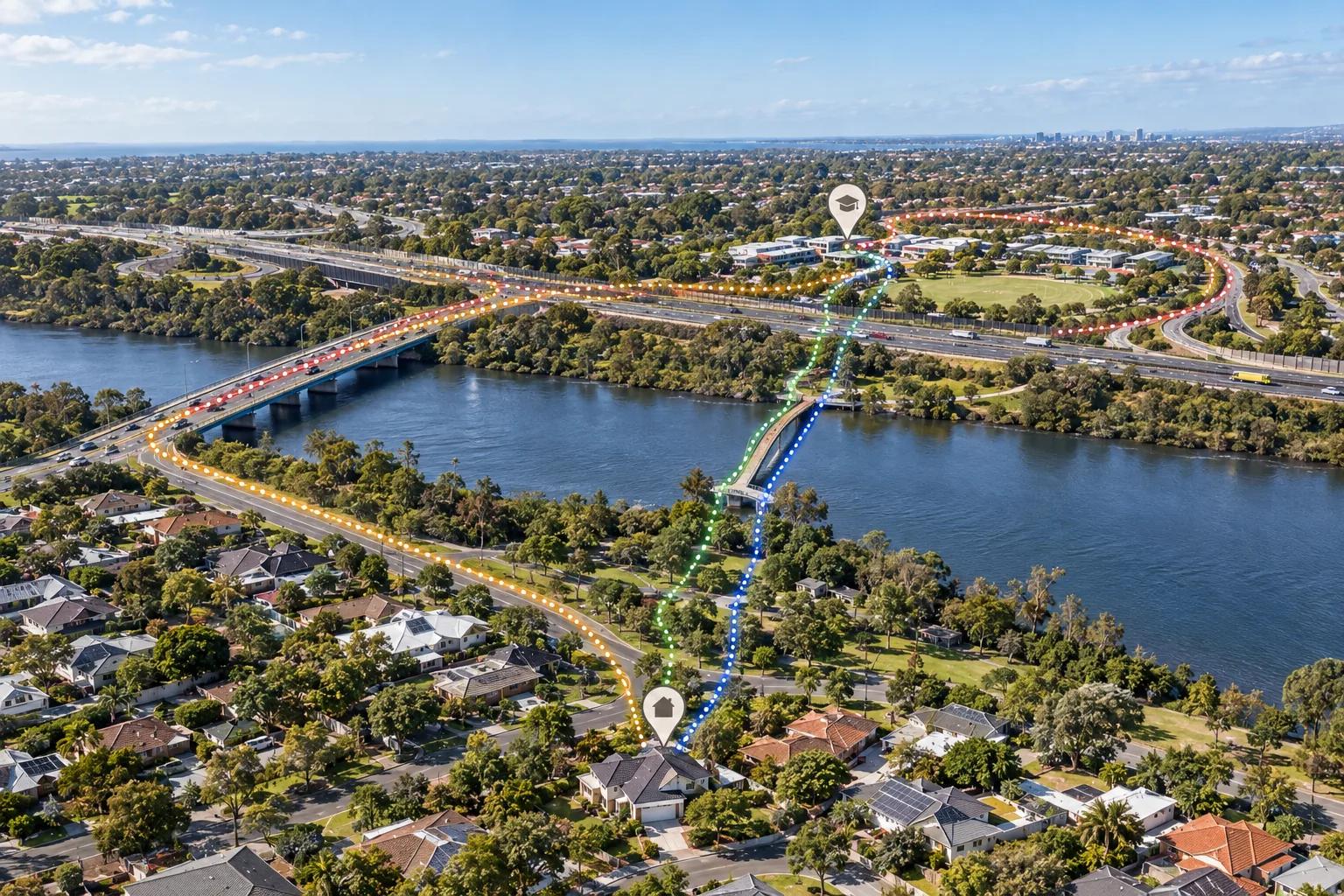
How distance and time can deceive
A kilometre, a drive time and a map pin can all be technically accurate while leaving out the route, traffic and terrain that shape the trip.
Property & place6 min read6 min
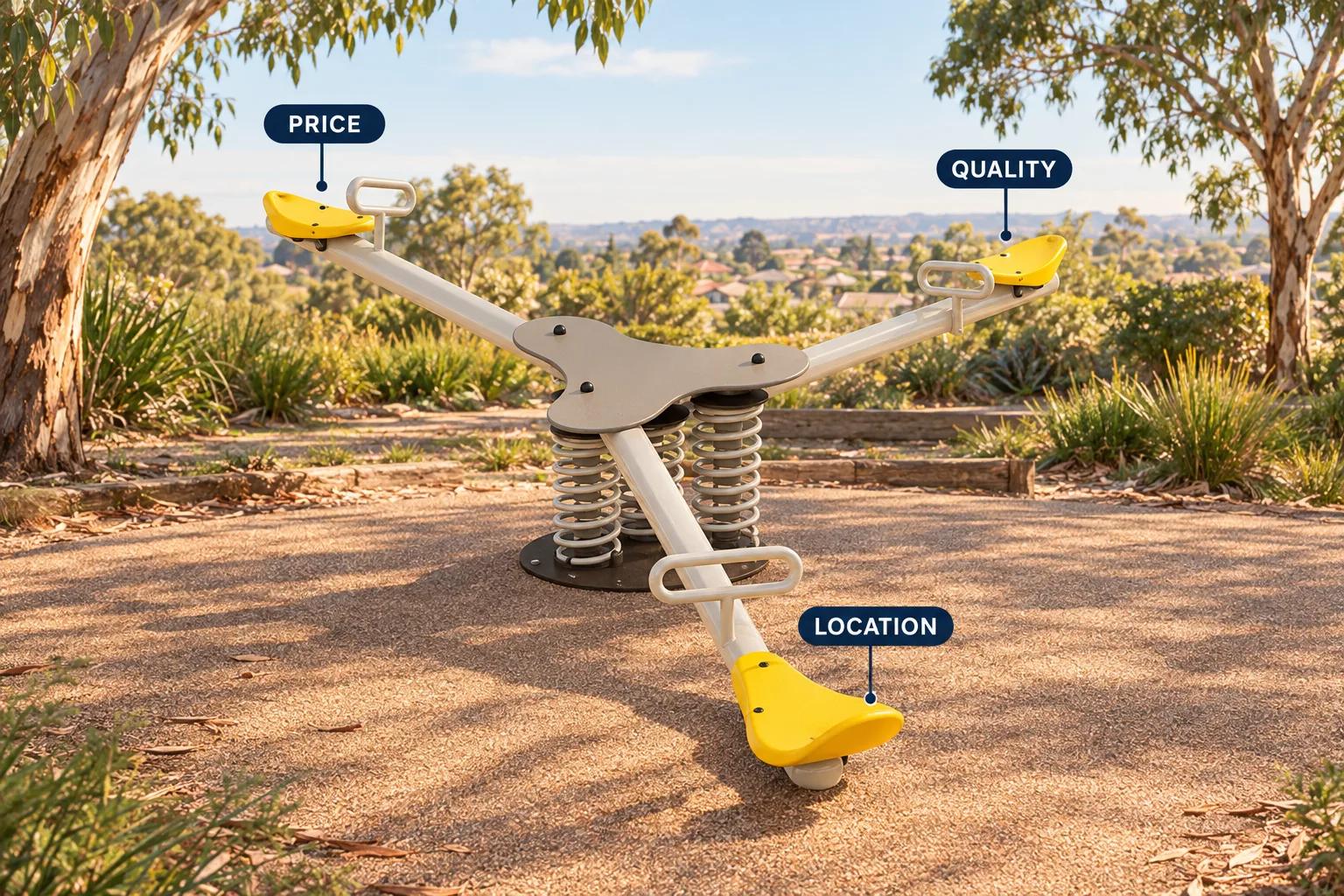
Location, price or quality: what comes first?
Property decisions often pit location, price and quality against one another. Start with the location your life needs, then test which price and property trade-offs preserve it before a budget or beautiful house narrows the map.
Property & place8 min read8 min
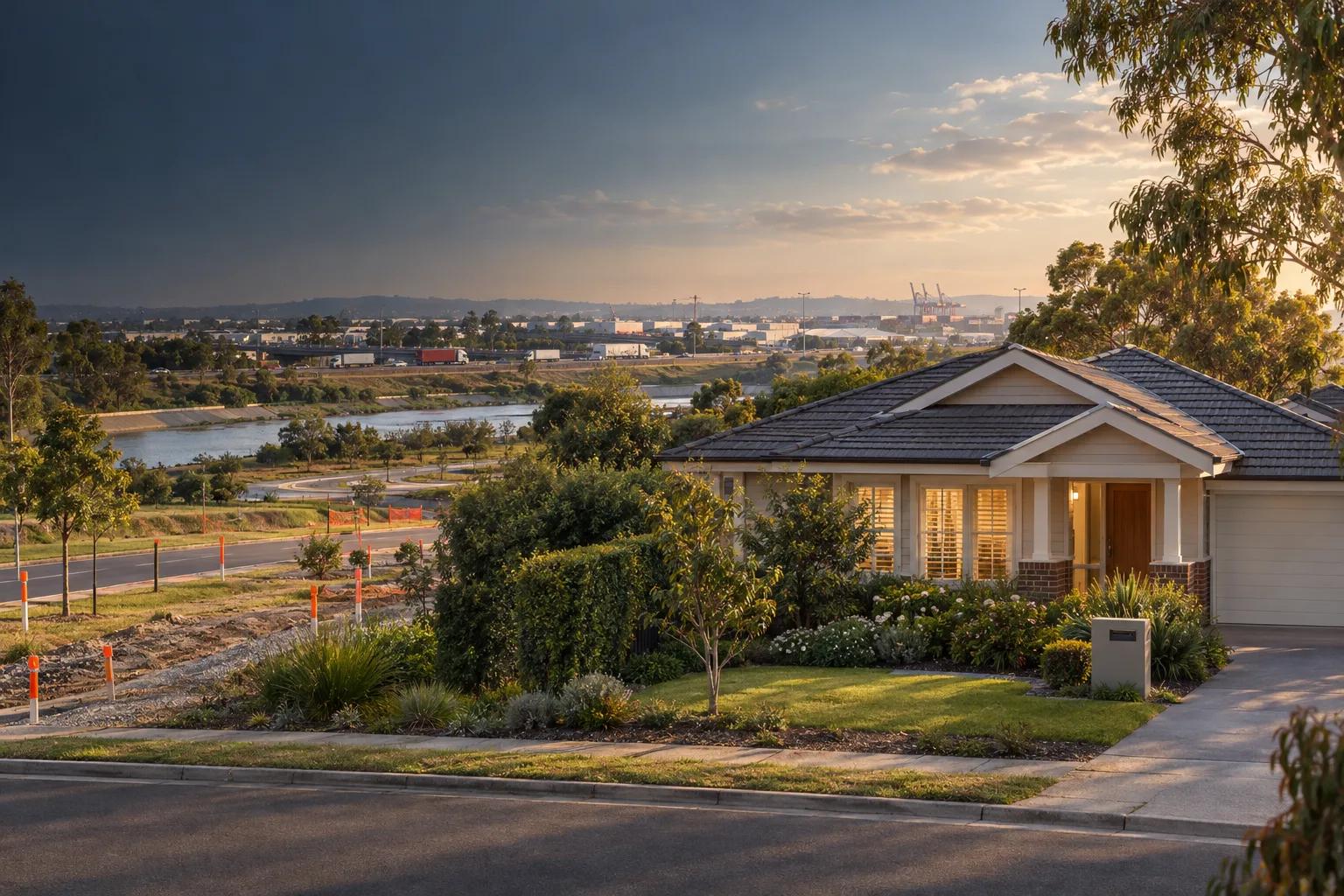
Location by omission: what property listings leave out
A listing can show the house accurately and still leave the wider location unfinished. Learn what to ask about roads, plans, access and hazards beyond the property boundary before an attractive description becomes your whole picture.

Location intelligence7 min read7 min
The location Goldilocks zone
The best distance from what matters is rarely the closest or furthest. A personal Goldilocks zone turns distance decay into a decision about where benefits peak, costs begin and the relationship becomes irrelevant.
Property & place7 min read7 min
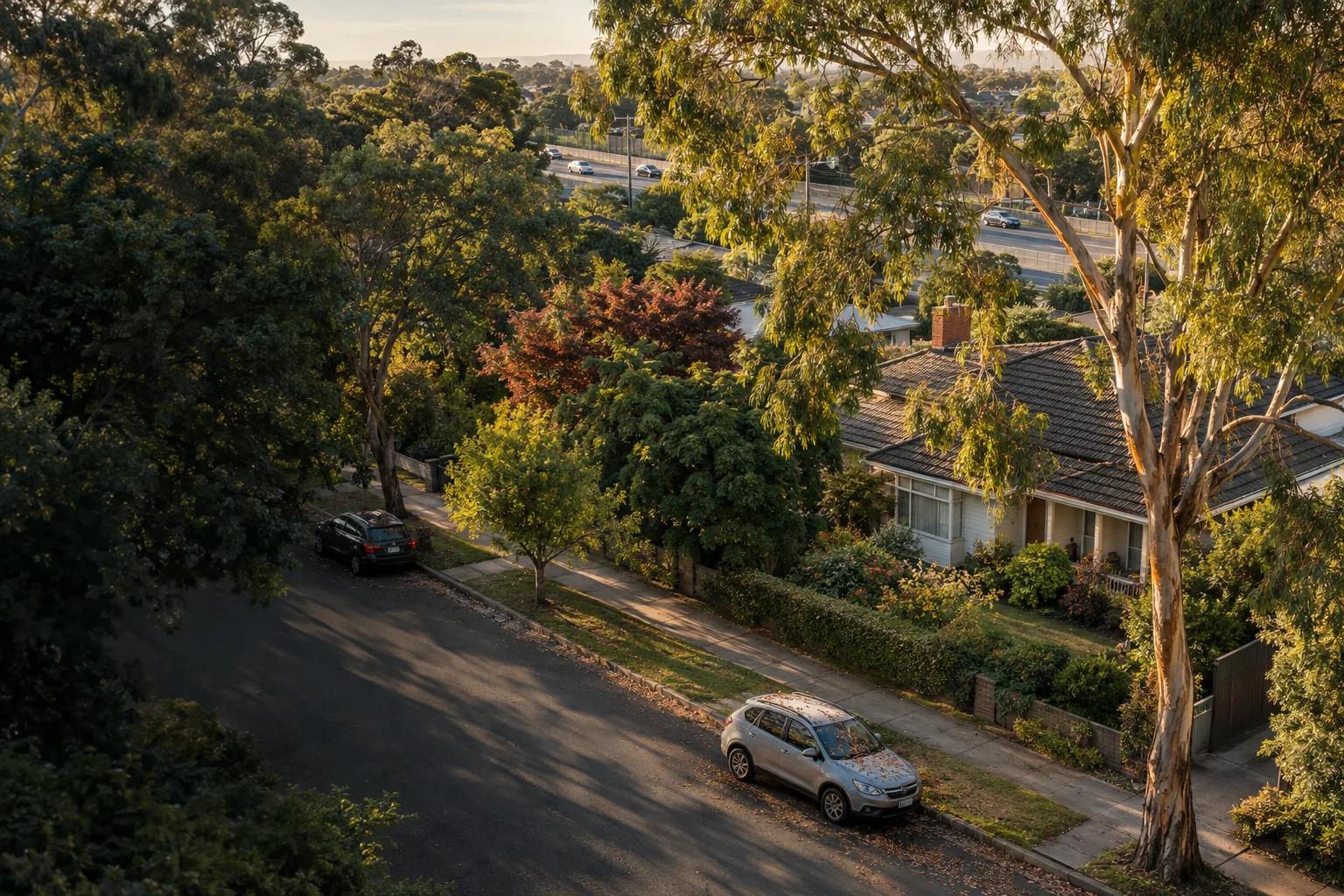
What does “leafy” actually mean?
Property listings are full of emotive words that capture a feeling about a location without defining it. Turn “leafy”, “well-connected” and “sought-after” into questions you can actually quantify.

Location intelligence6 min read6 min
The boundary myth
A suburb boundary can organise services and statistics without changing what happens at the front gate. Look past the label, then measure the roads, routes, noise and risks that shape the address.
Property & place8 min read8 min
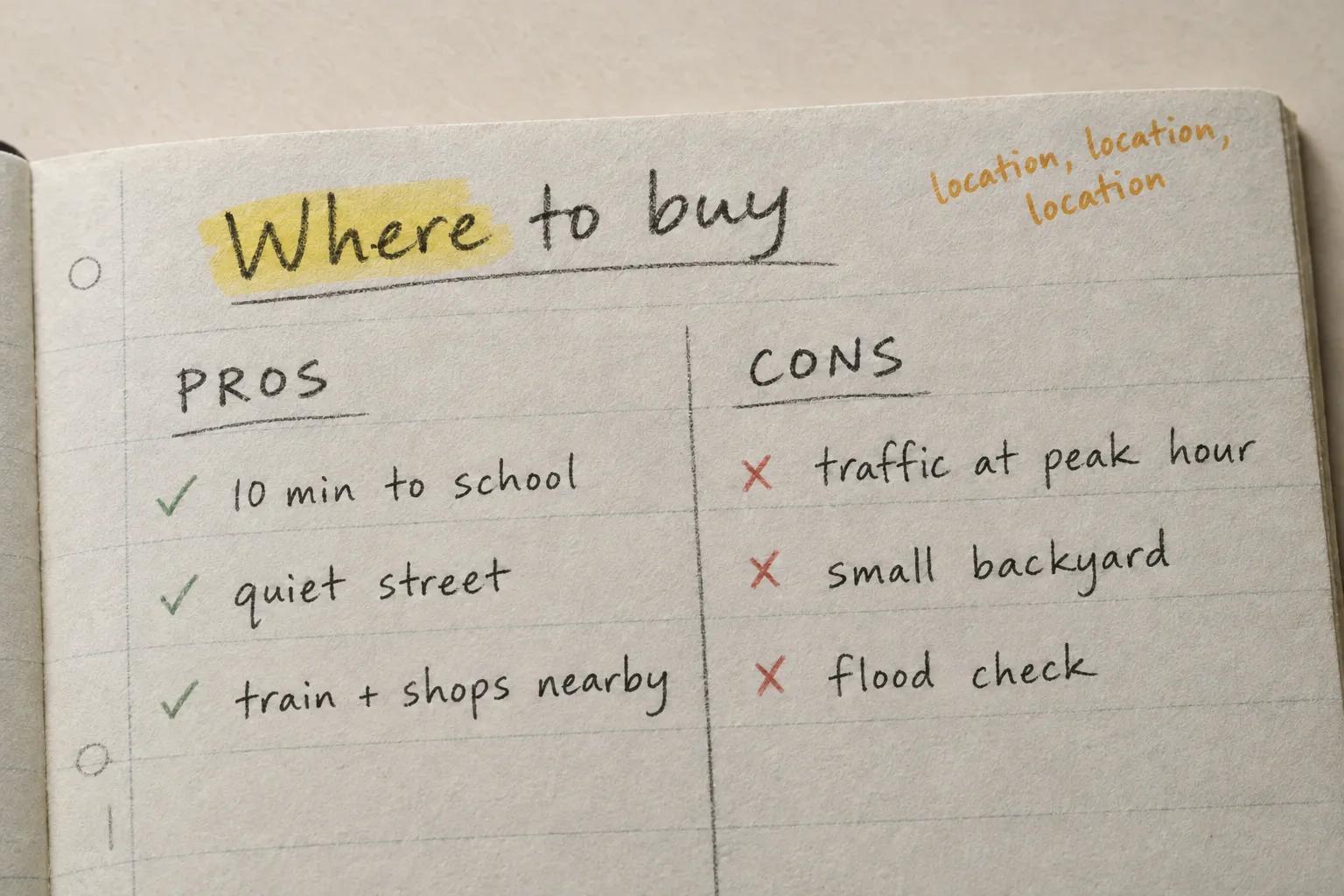
Should a school decide where you live?
A walkable school can give a family back time and independence. The same address can bring sirens, traffic and a price premium, while private fees can make staying put look different from a move. Start with your week, not the school’s reputation.

Property & place5 min read5 min
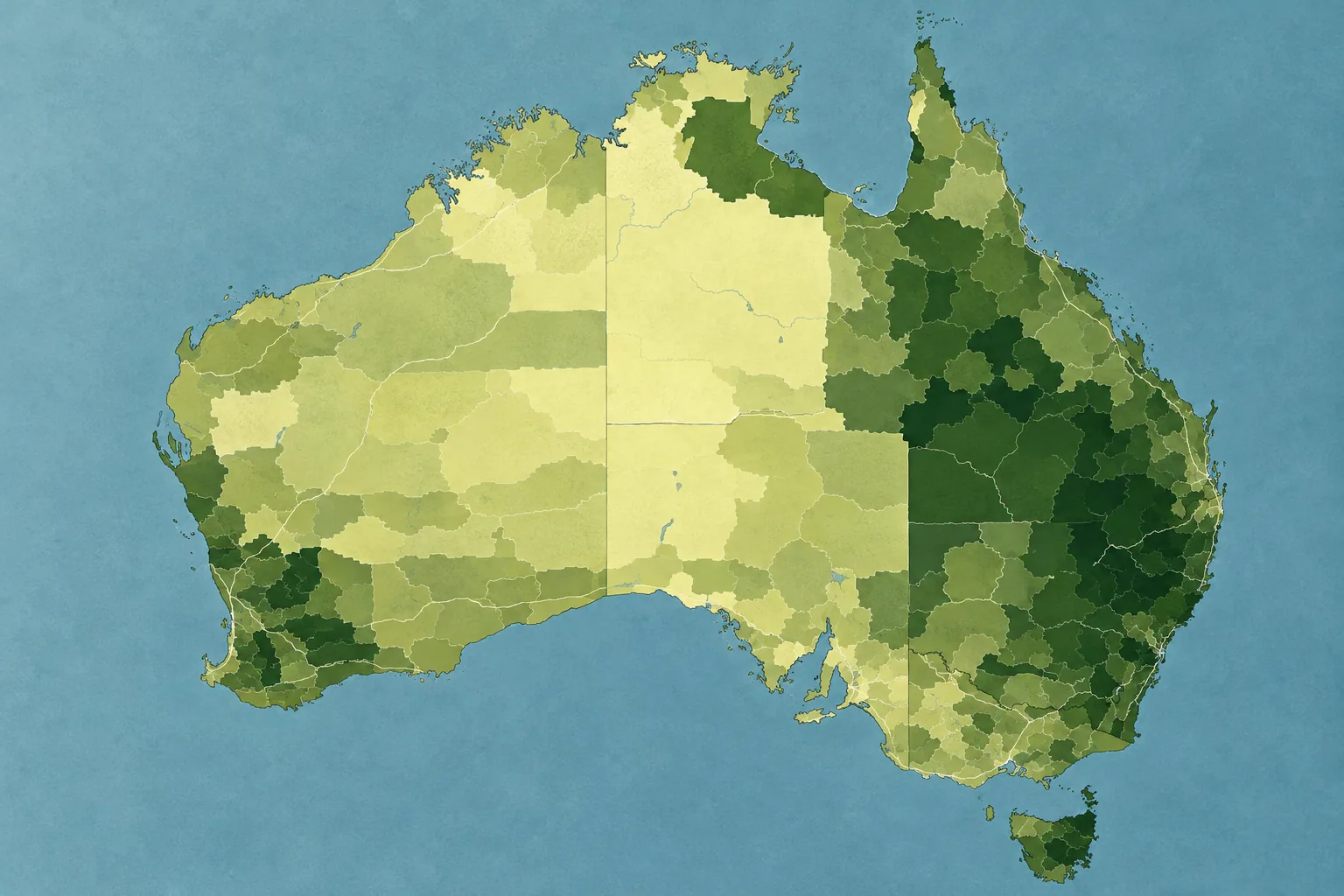
WIMBY: what's in my backyard?
Before a proposal becomes a headline, the planning map may already show what could change around a home. WIMBY turns that uncertainty into questions about distance, noise, traffic and future land use.
Location intelligence8 min read8 min
The average suburb is not your address
Median incomes, crime rates and growth labels can make a map look precise. They still describe an area, not the street, neighbours or routes you will experience.

Location intelligence6 min read6 min
Walkability is a starting point. Your week is the real score.
A walkability label can tell you something useful about a place. A personal model can tell you whether it fits the destinations, pace and trade-offs that shape your life.
Investment decisions6 min read6 min
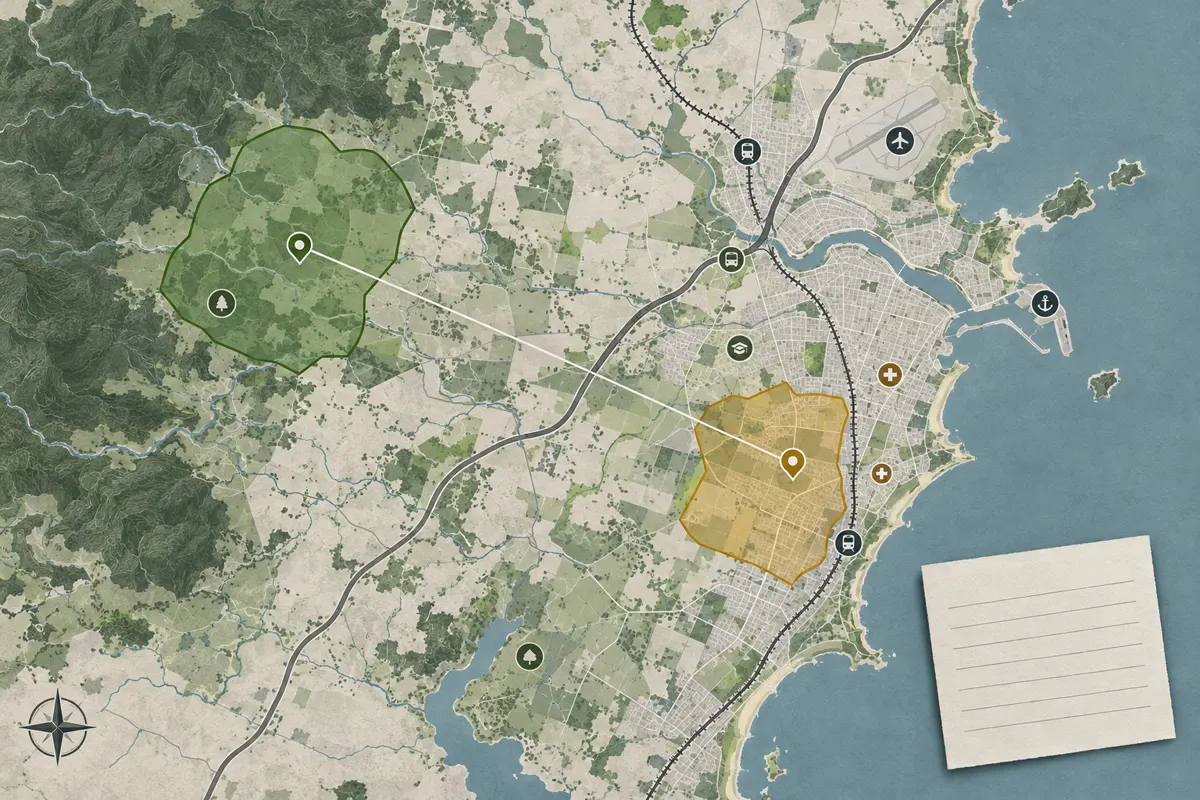
Location bias and the comfort of familiar markets
The place you know best can feel like the safest property decision. Familiarity can hide how places change, narrows the search area prematurely and concentrates risk.

Location intelligence7 min read7 min
The art of the intersections
Intersections, rail crossings and cul-de-sacs shape the routes, noise and access around an address. Learn what to investigate before you decide where to live.